
Off-highway vehicles have become the dominant form of transportation for accessing public lands in Arizona. They are sold directly from the showroom floor equipped with race-ready performance, offering an exhilarating experience for anyone with a decent credit score. However, this out-of-the-box performance comes with several legal drawbacks when used on public lands.
Through Travel Management Planning, federal agencies designate systems of roads and trails for off-road vehicle use on public lands. Federal land managers are required by the National Environmental Policy Act and Travel Management Rules to scrutinize the environmental impact of their decisions. As a result, many roads are decommissioned and closed based on various environmental factors.
According to federal regulations, violating travel management closures can result in a $1,000 fine and up to one year in federal prison. These regulations are enforced by federal law enforcement. However, when it comes to local law enforcement, the situation is different.
Arizona Revised Statute § 28-1171 specifically defines what constitutes an off-highway vehicle (OHV), delineating the difference between a regular motor vehicle and an OHV. This distinction determines which laws apply to the operation of a motorized vehicle on public lands.
For example, Arizona Revised Statute § 28-1174 makes it a crime for OHVs to disobey travel management decisions made by federal agencies. This means that state, county, and local law enforcement can enforce federal travel management restrictions on any vehicle that meets the state’s definition of an OHV.
In contrast, regular motor vehicles are not governed by OHV laws. Therefore, such vehicles are not obligated to obey travel management closures, and local law enforcement has no legal authority to enforce those restrictions against them. Even under federal jurisdiction, the same distinction applies. Federal travel management regulations specifically define what constitutes an off-highway vehicle and only apply to those that meet that definition. This inherently excludes regular motor vehicles such as cars, trucks, SUVs, and other roadworthy automobiles designed for highway use.
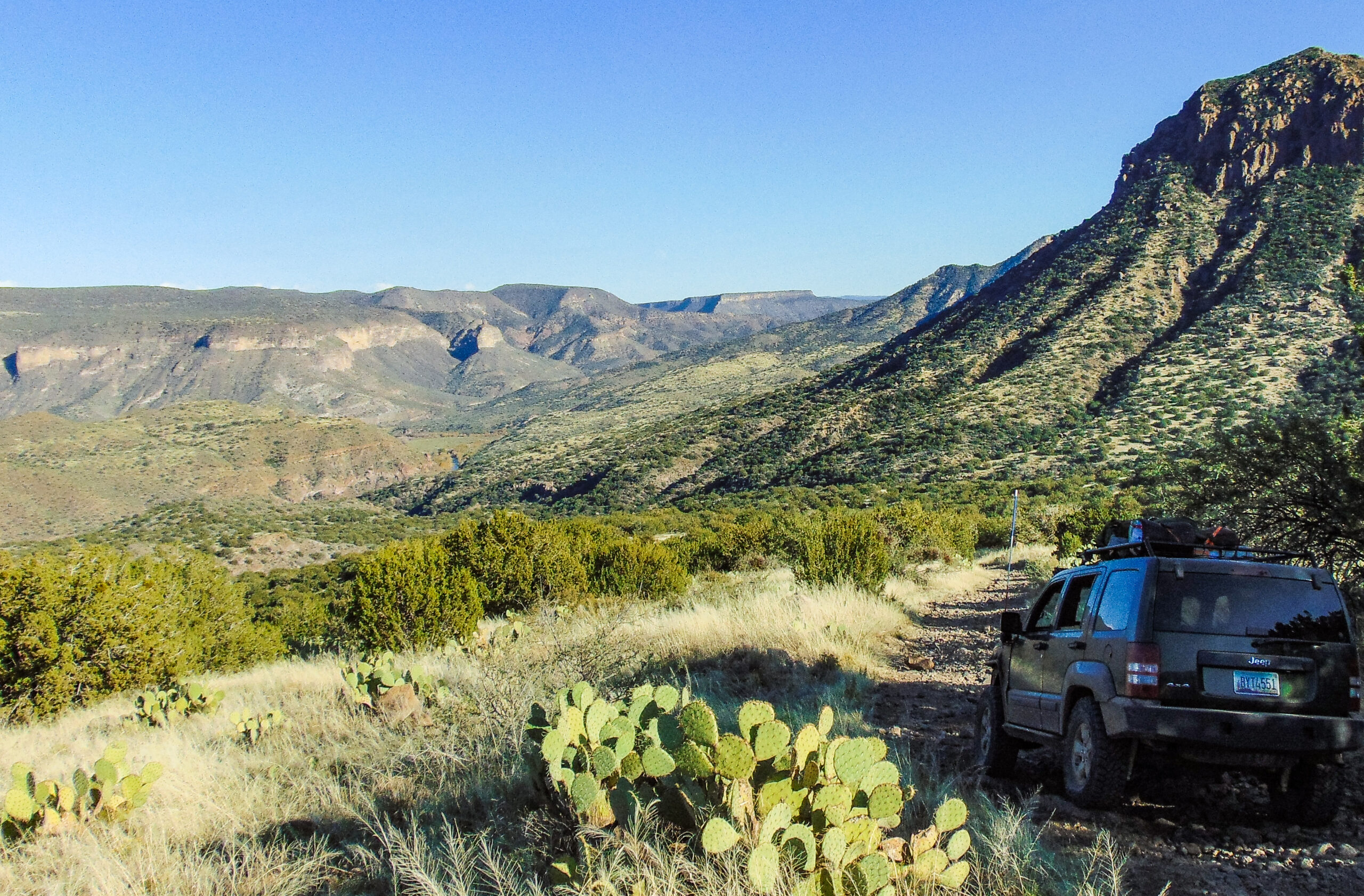
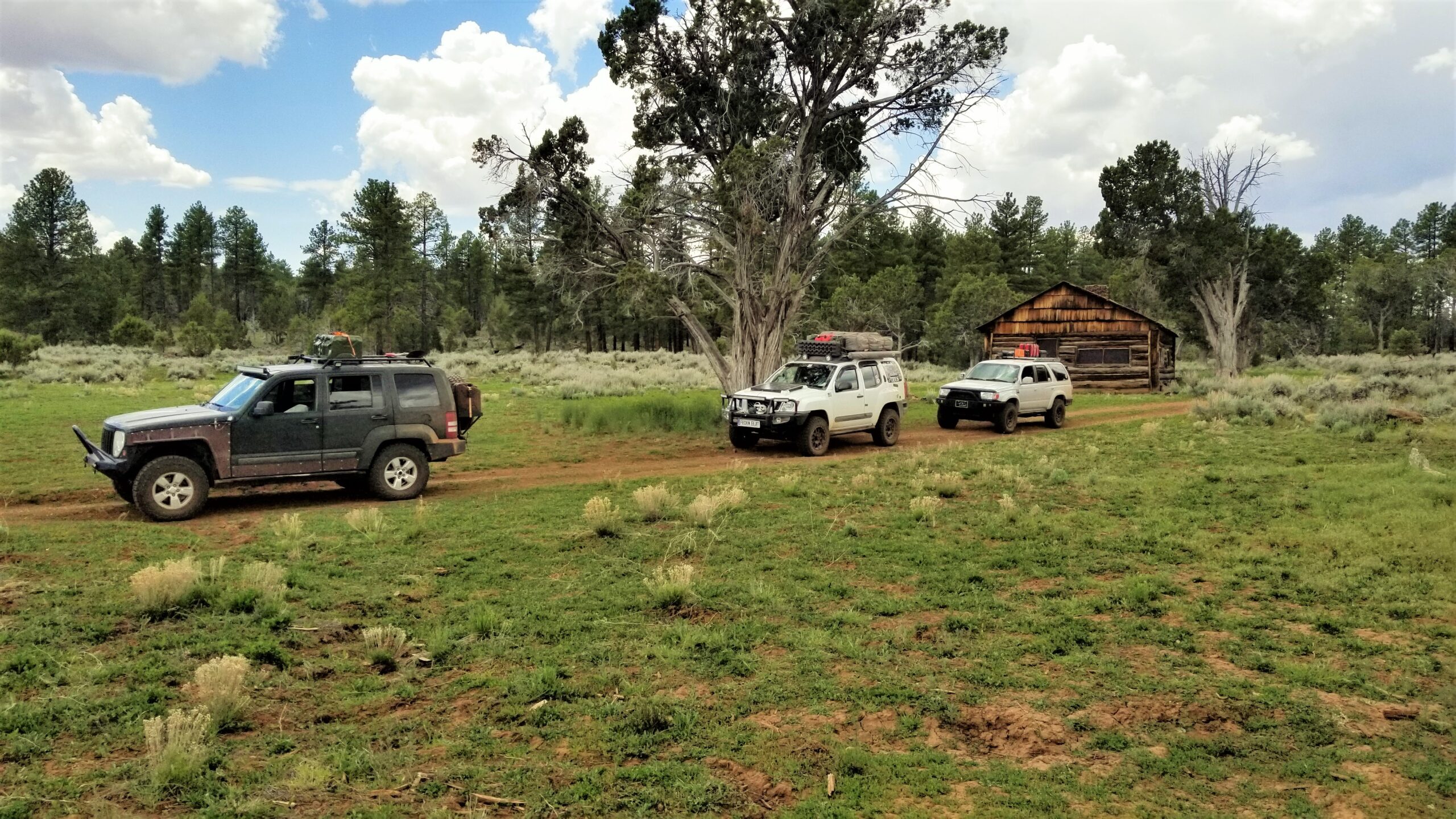
If you choose to access your public lands using a Jeep or another type of automobile, you are not obligated to follow federal motorized restrictions that apply solely to OHVs, and you preserve your right to access public lands using public roads.