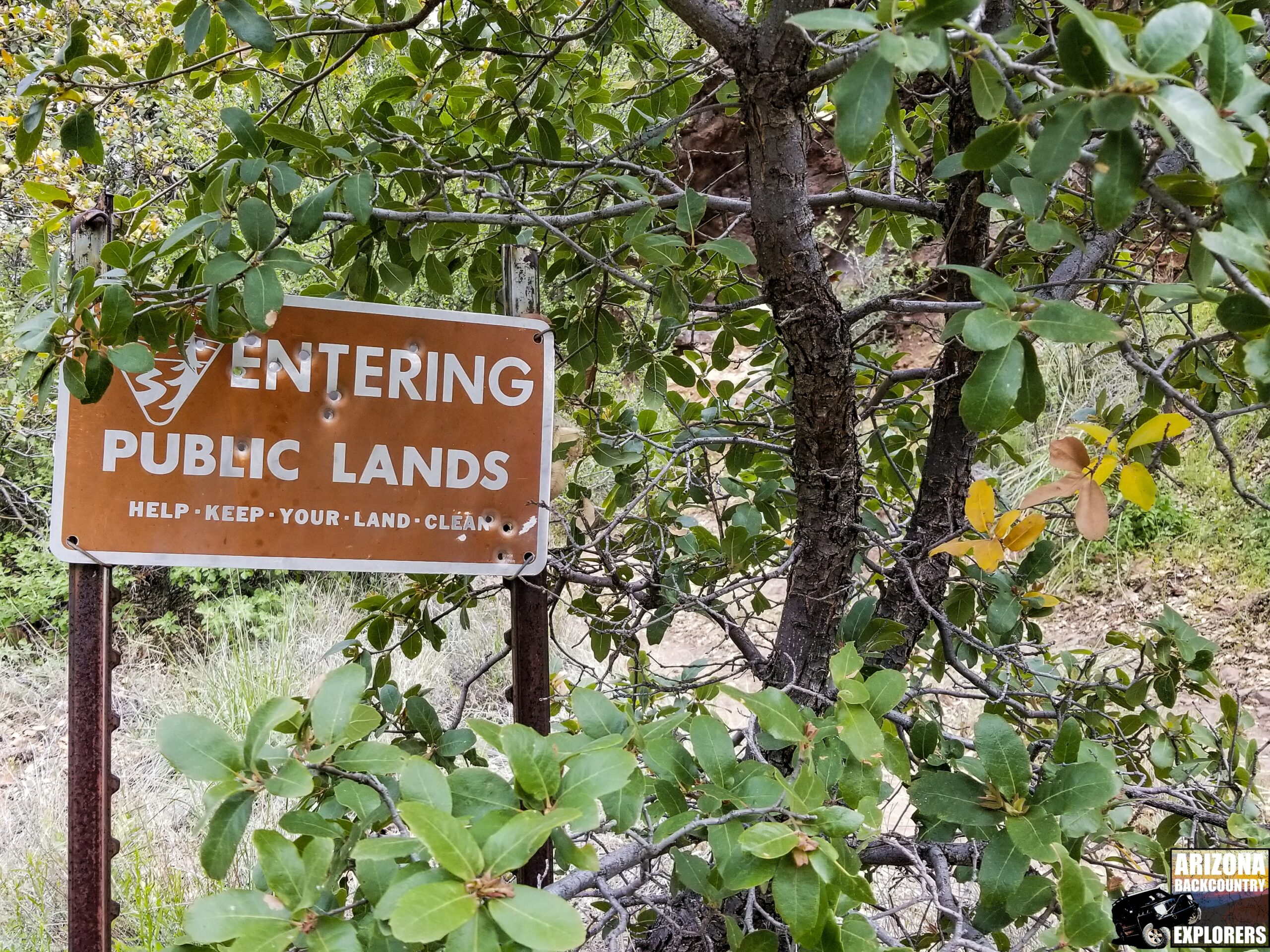


Since 1972, federal regulations have progressively restricted public land access, undermining the open-use principles of the Mining Act of 1866’s Revised Statute 2477 (RS 2477). RS 2477 granted anyone the right to build roads across unreserved public lands without federal approval, creating most roads west of the Appalachian Mountains. Once constructed, these roads were governed by state law, ensuring broad public access.
In 1972, Executive Order 11644 aimed to curb environmental damage from off-road vehicles (ORVs), defined as vehicles designed for cross-country travel over undisturbed land. It was not intended to regulate automobiles or close existing roads. The Bureau of Land Management clarified this in the Federal Register during rulemaking, despite environmental groups pushing for stricter controls to limit motorized use to designated roads and trails.
In 1992, the Clinton Administration joined the Convention on Biological Diversity, where the U.S. government produced a biological assessment of the United States. This assessment referenced roads over 100 times, asserting that they facilitated access to extractive and exploitative industries, posing a threat to biodiversity. Several suggestions in the assessment mirrored techniques later applied during travel management planning. Similarly, Executive Order 11644 reflected ideas developed through the Man and the Biosphere Program.
Between 2002 and 2006, environmental advocates achieved their goal. Under the authority of Executive Order 11644, the federal government introduced travel management planning, dividing public lands into Travel Management Areas (TMAs)—each National Forest, multiple BLM regions per state, and National Parks with park-wide regulations. These plans designated specific roads and trails, closing approximately 60 percent of existing roads in each TMA. The government claimed 1980s management plans were inadequate, urging 4×4 clubs to map trails for inclusion. Trusting established relationships with local ranger districts, clubs complied, unaware that their collaboration would lead to massive road closures.
Conducted under the National Environmental Policy Act (NEPA), travel management plans are federal actions with minimal room for opposition. NEPA prioritizes environmental policy, dismissing objections as insufficient for review. Environmental organizations enforce closures through aggressive litigation, while groups like Tread Lightly and Leave No Trace mislead 4×4 users into believing closures result from poor etiquette, such as littering or off-trail driving. In reality, closures are mandated by federal regulations, regardless of user behavior.
The Bush Administration’s 2002–2006 shift centralized land management in Washington, D.C., stripping authority from local ranger districts. Described as moving away from activity-based management, this change consolidated power and aligned policies with environmental agendas, sidelining recreational users.
The result is a system where federal mandates and NEPA’s structure override historical access rights under RS 2477. Local communities and 4×4 clubs, misled into believing collaboration preserves access, face ongoing closures driven by regulation and litigation, not user actions.
It is time to overturn executive order 11644.
Please become a member today and help Arizona Backcountry Explorers keep our backroads open. www.azbackroads.com/store