
#ManMadeDrought #DoubtTheDrought
Climate change is definitely man-made. Now, before you get your panties in a bunch over that statement, understand I am not talking about your Sport Utility Vehicle, your four children, or the beef in your freezer. Instead, consider the multifaceted effort of self-proclaimed intellectuals attempting to modify the weather in the Colorado River Basin.
“The nation which first learns to plot the paths of air masses accurately, and learns to control the time and place of precipitation, will dominate the globe.
WWII Air Force General George C. Kenney
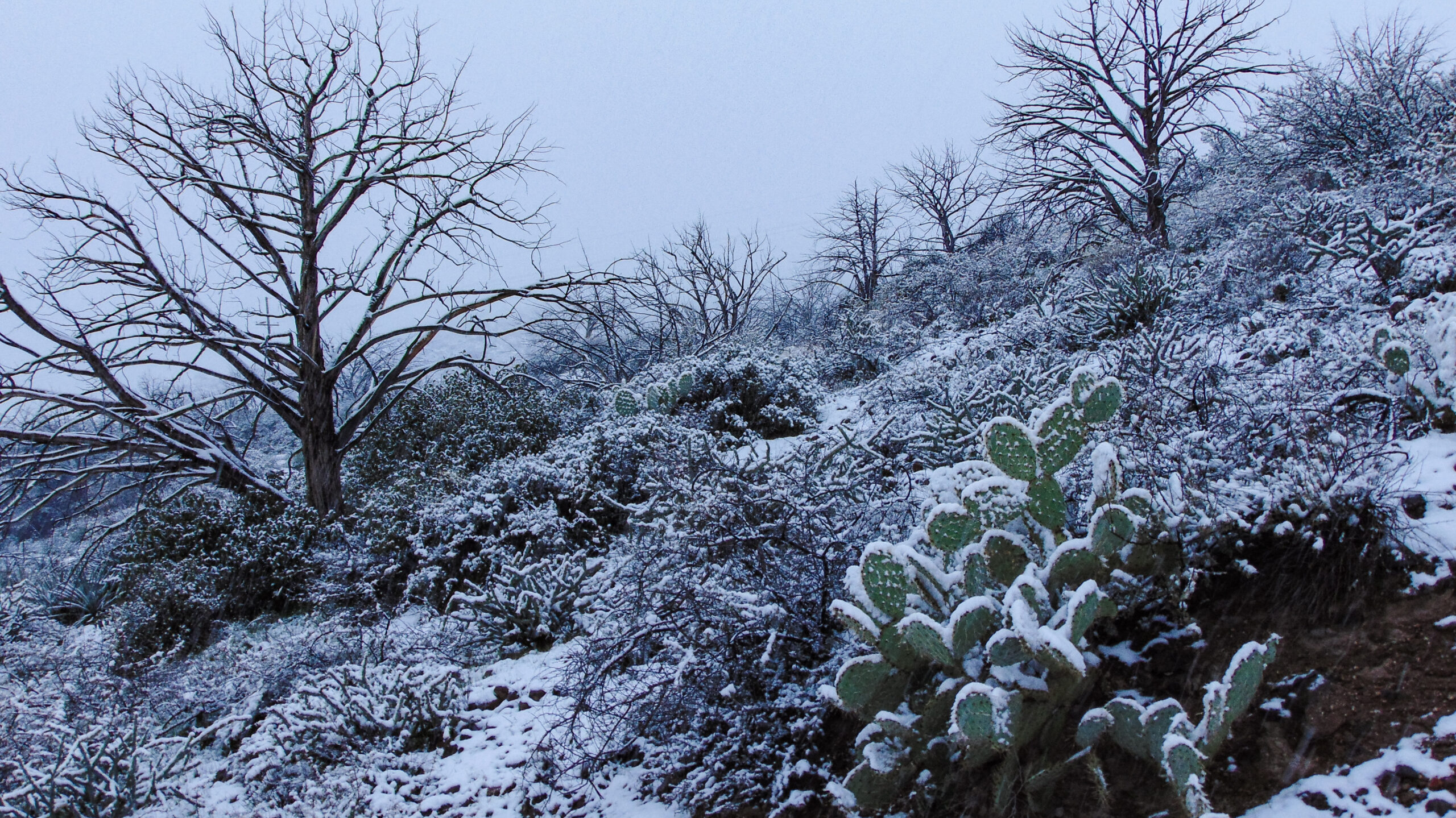
Do you remember the snow we got in 2019? Do you remember how the media reported it? Do you remember the warnings from state and federal land managers and governments across the western US? Do you remember the failing infrastructure, washed-out bridges, massive pile-ups, huge mudslides? Do you remember the lives lost? Their stories shocked the nation. Do you remember seeing the lower desert covered in snow, the normally dry rivers flowing for weeks, rare plants and wildlife thriving, and thinking, “Mother Nature needed that”?
I clearly remember because my son and I spent the week traveling across Arizona to enjoy the once-in-a-blue-moon event. We traveled from Cave Creek to Flagstaff on a 5-day solo adventure through the snow. It was an incredible and unusual phenomenon that I have only seen a few times in my life.
That same year, the famous backroads of Colorado were covered in 100-foot snowdrifts. Nevada received over 50 feet of snow in 20 days, and the media reported that they had defeated the drought. Arizona declared a state of emergency and received record-breaking snowfall at the Flagstaff airport. And since then, the weather has been quite unusual.
Do you remember?
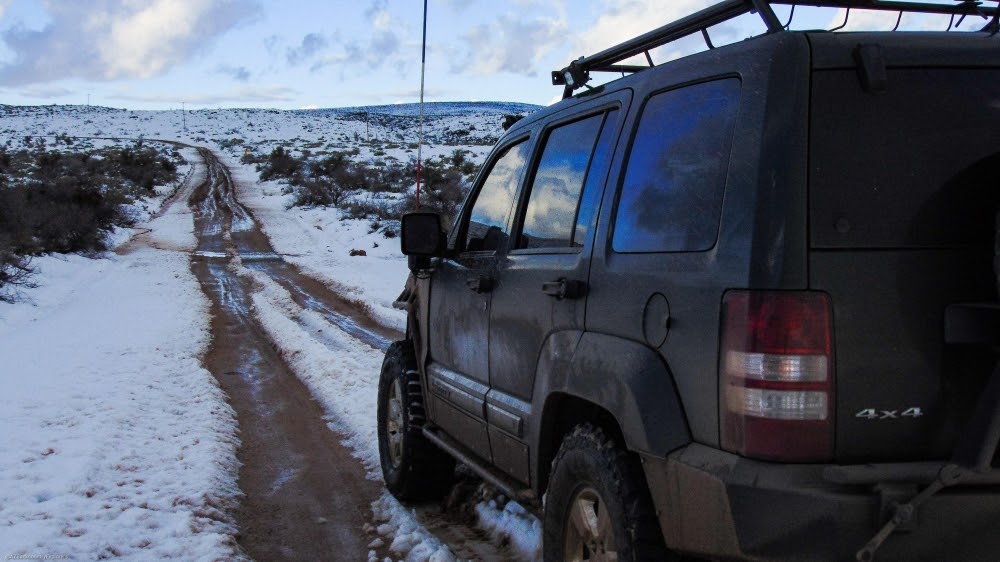
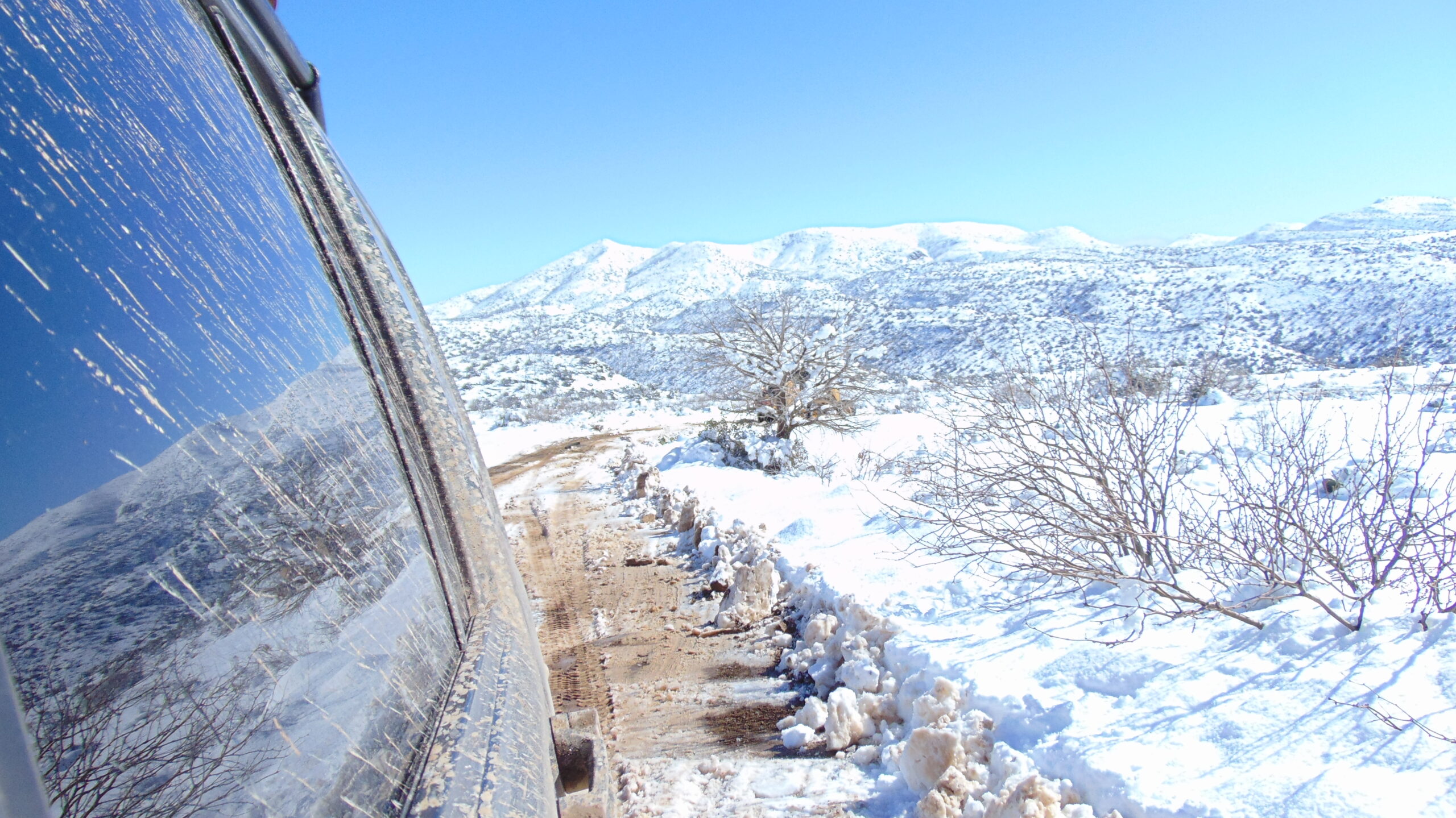
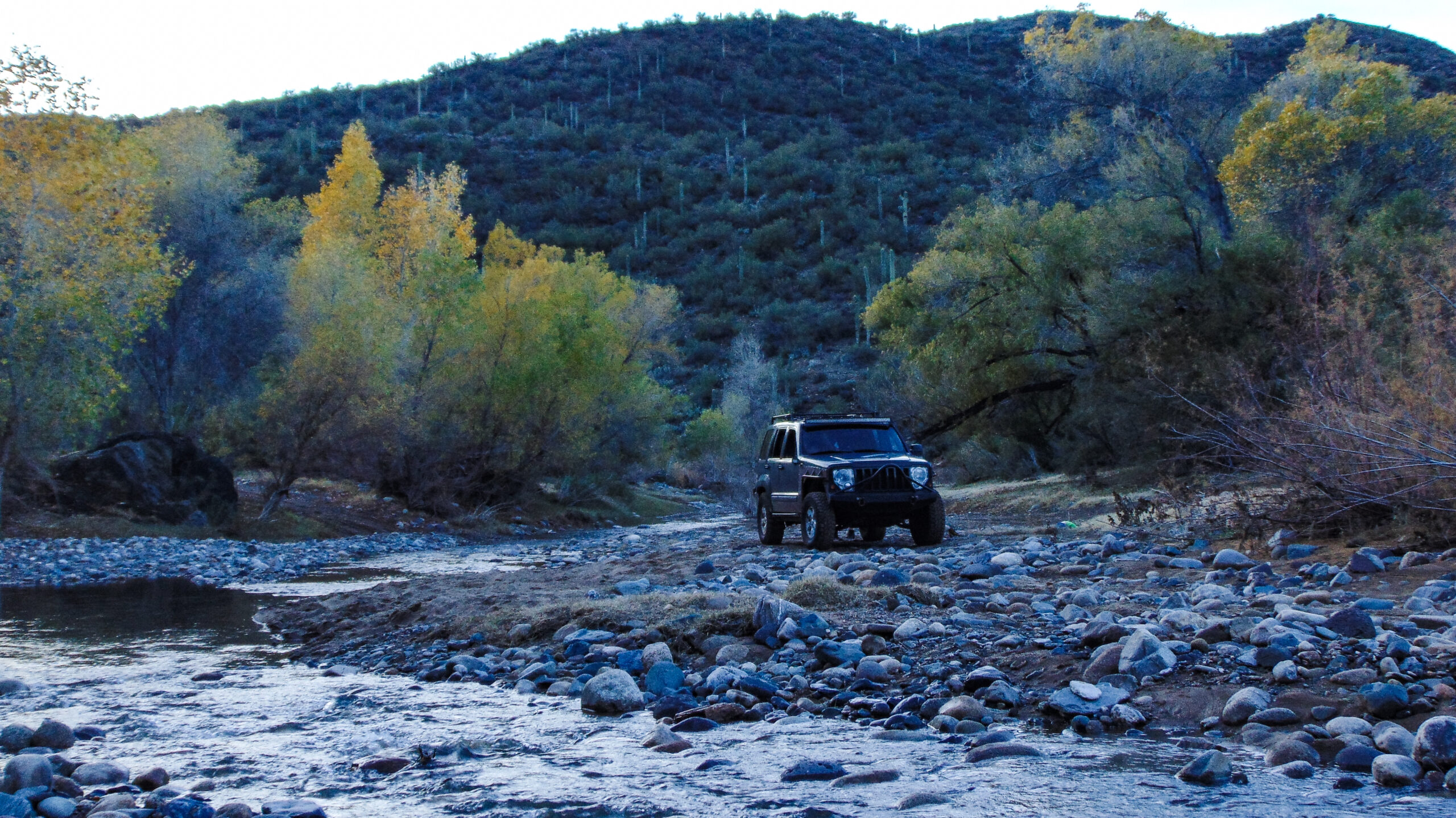
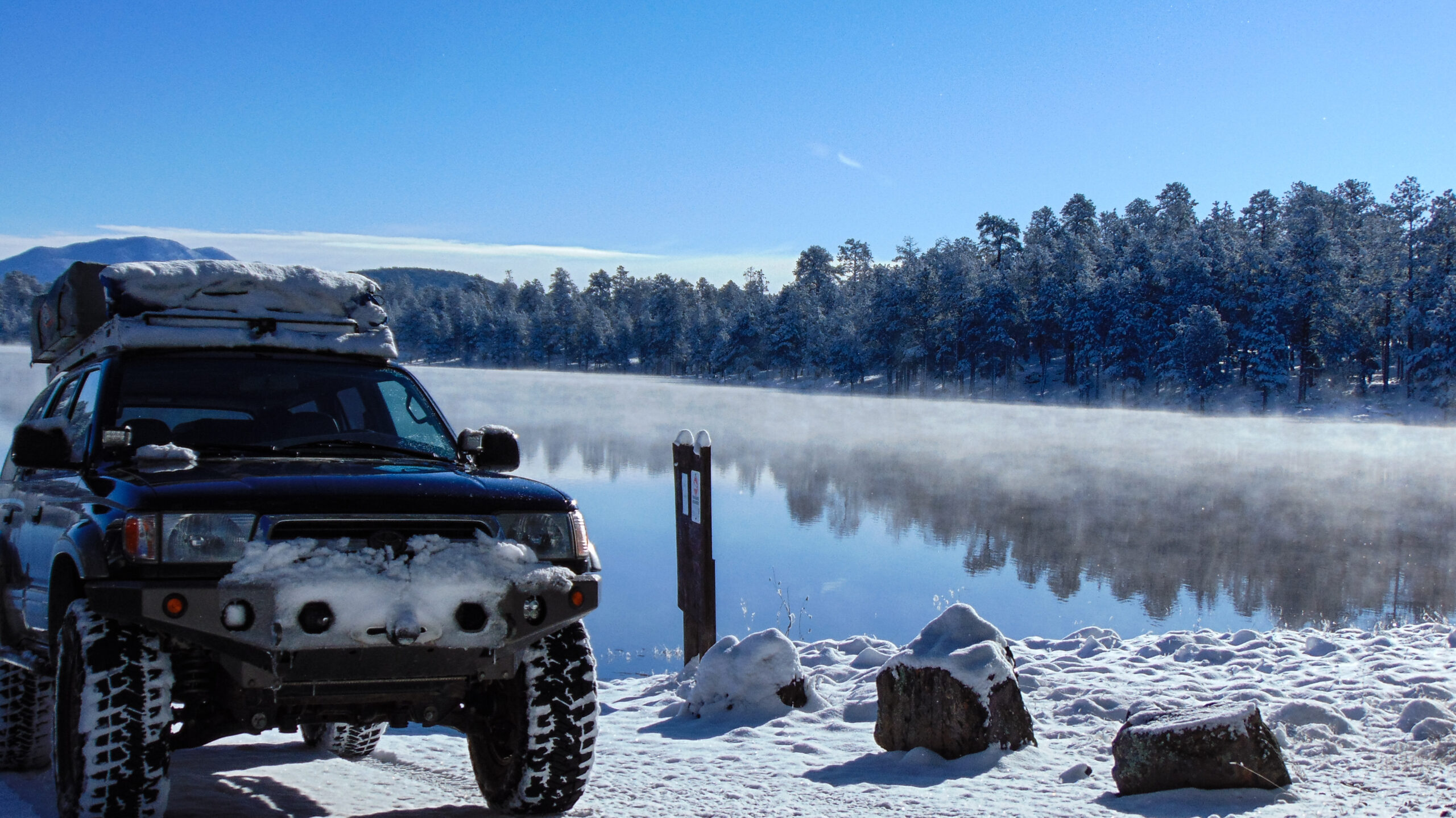
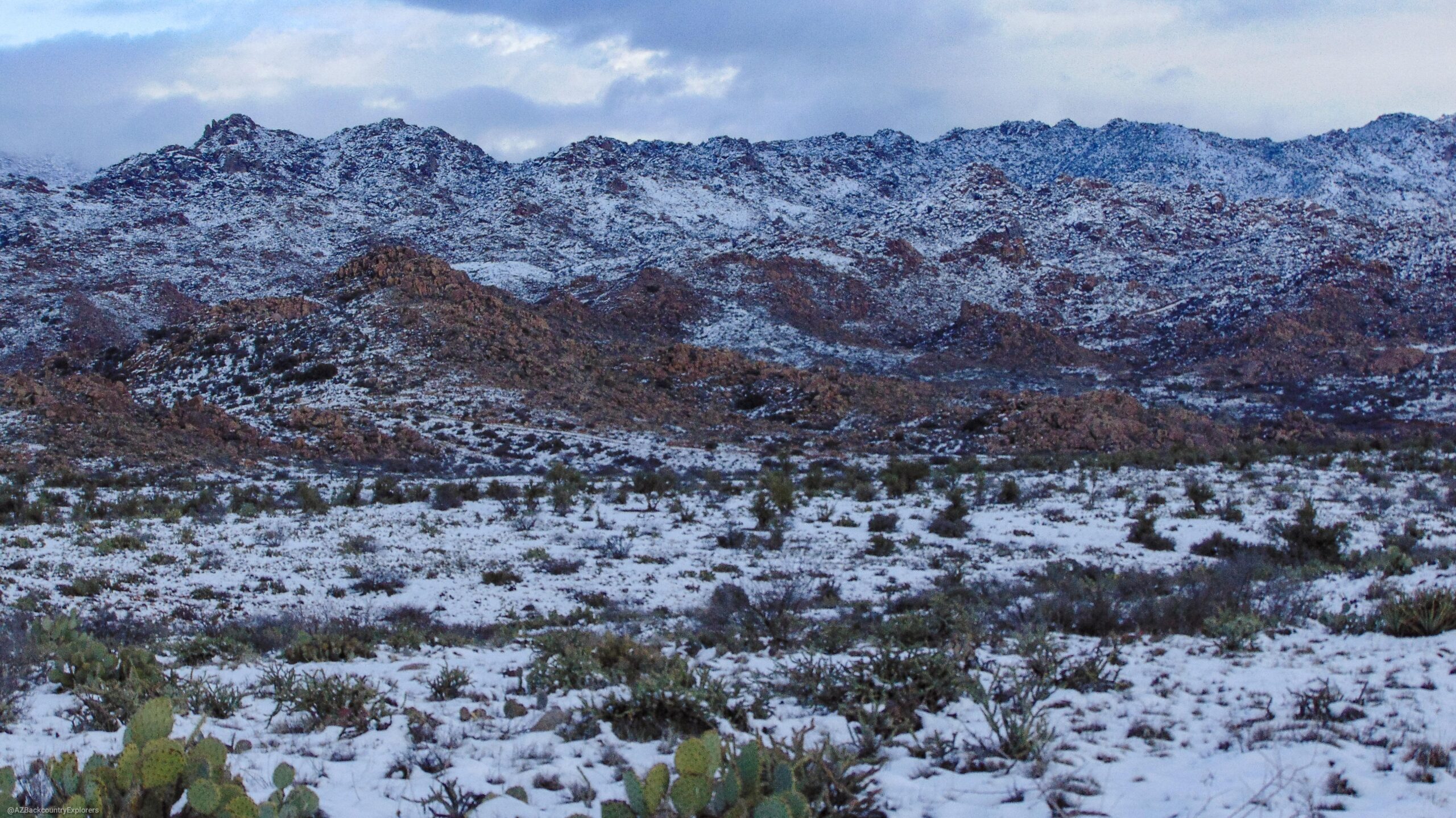
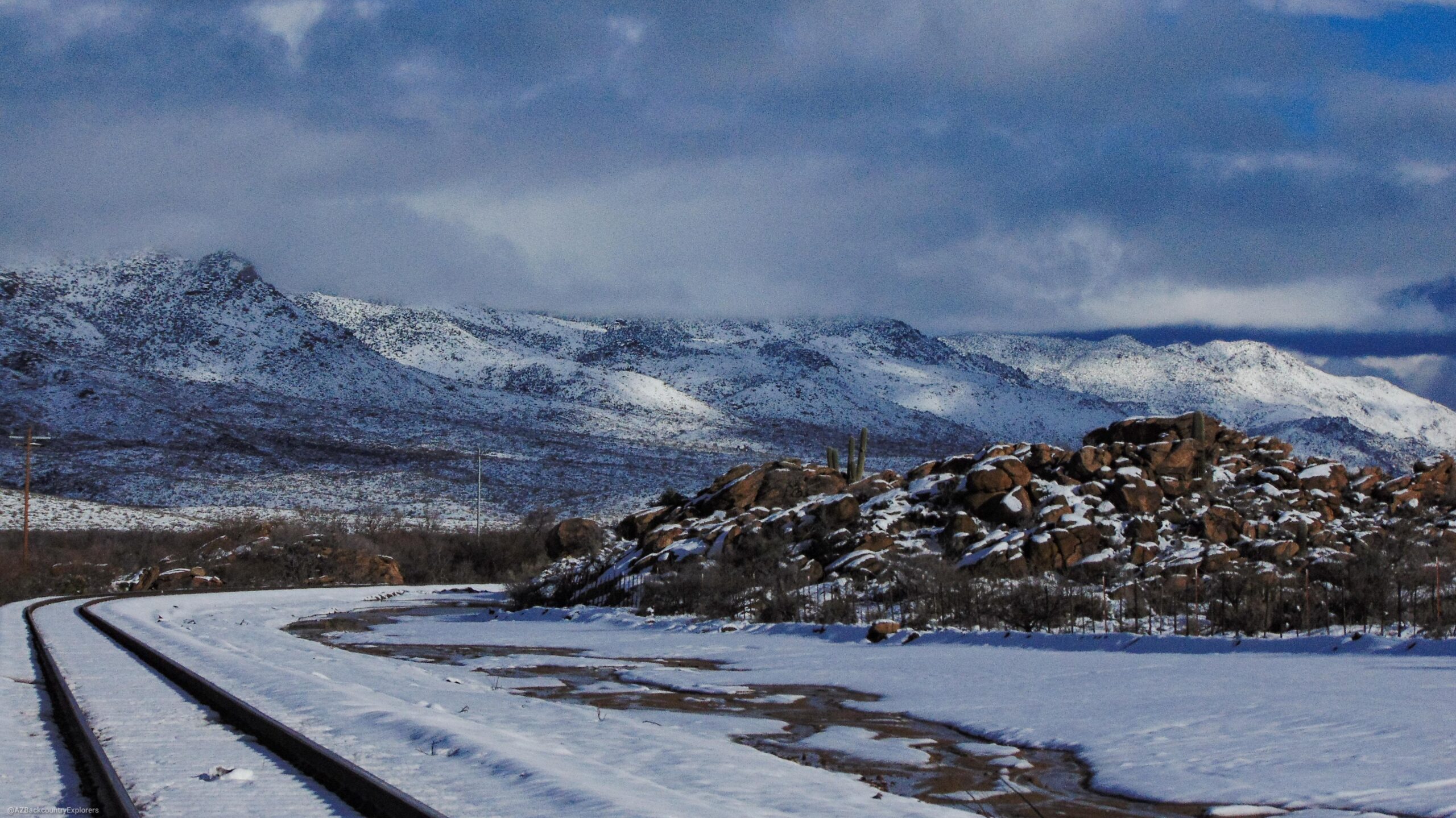
An artificially induced storm
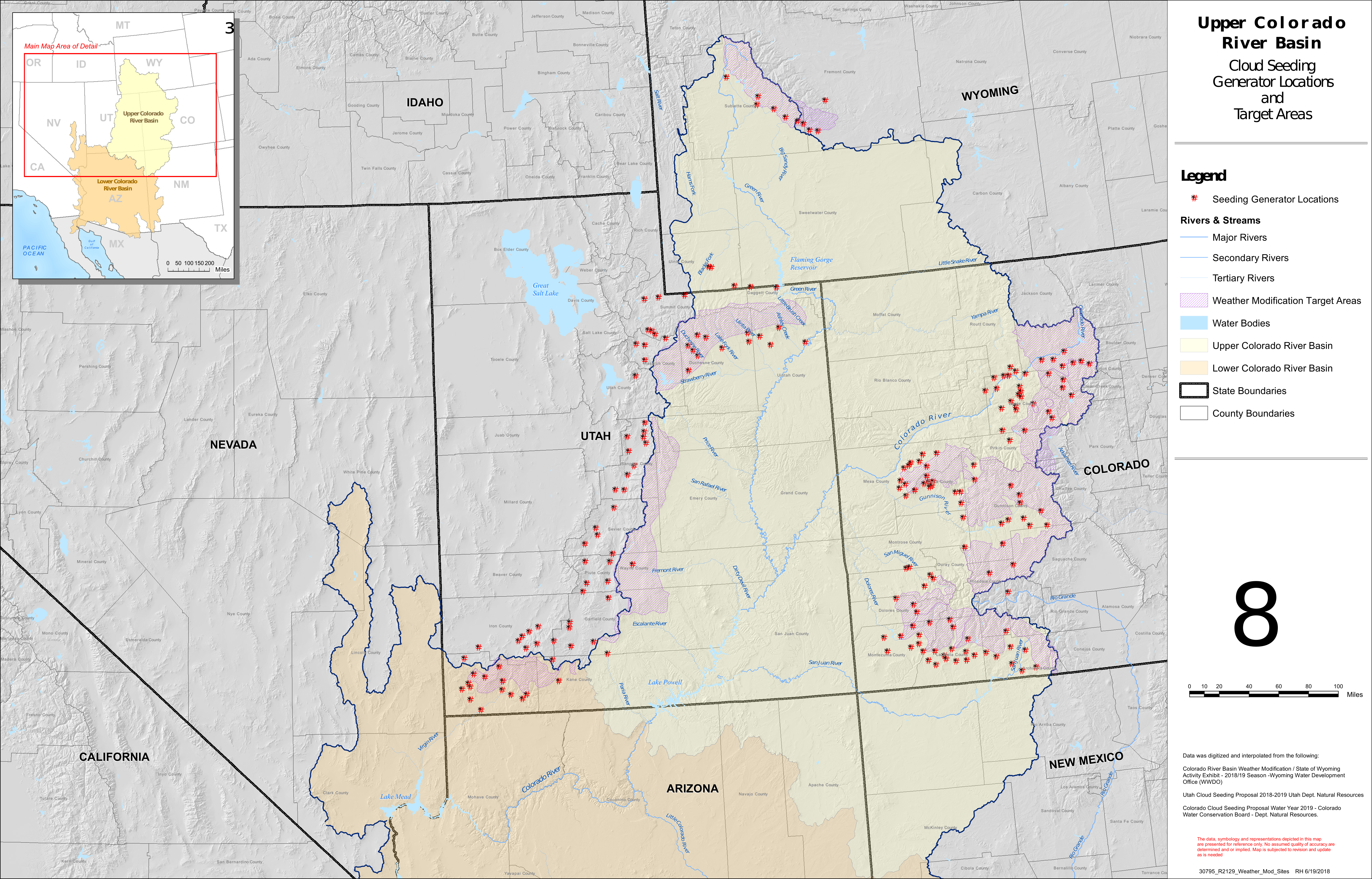
What you probably don’t know is that winter marked the second year the state of Arizona openly started a weather modification program funded by a combination of state and federal governments and an array of water authorities across all seven Colorado River Basin states. Sparked by the revered drought contingency plan, this new weather modification agreement demands that governments work together to relieve drought conditions in the Colorado River Basin by artificially enhancing snowfall.
On March 1st, 2018, the Central Arizona Project approved Agenda Number 4d, signifying their intention of joining the Colorado River Basin weather modification agreement. The agreeing parties are split into two groups and consist of California’s Six Agency Committee, Central Arizona Water Conservation District, Southern Nevada Water Authority collectively known as the “Funding Parties”. And the Colorado Water Conservation Board, Utah Division of Water Resources, and the Wyoming Water Development Office, collectively known as the “Upper Basin Entities”. The agreement also includes the New Mexico Interstate Stream Commission.
The agreement authorized the creation of a Technical Committee to administer the provisions of the agreement. The Technical Committee serves as a central body to coordinate weather modification efforts across all seven states and allocate funds. The Technical Committee is overseen by a chairperson and is comprised of one representative from each state and representatives of non-governmental organizations. The Technical Committee holds annual meetings prior to June 30th every year. The agreement stipulates the formation of the Technical Committee, the timeline for actions, funding contributions, reporting requirements, and other governing procedures.
Read the entire weather modification agreement below.
Results
In 2019 the Central Arizona Project published a Colorado River Water Supply Report detailing the results of the multi-party weather modification plan that begun in 2018 and ends in 2026. The document shows that CAP and the multi-party agreement created 116% of the 30-year median in total snow accumulation above Lake Powell in 2018. Additionally, they brought Lake Powell to 52% capacity and Lake Mead to 42% capacity.
Through the agreement, the funding parties consisting of water entities from Nevada, California, and Arizona have pledged additional funding to enhance existing weather modification programs in Utah, Colorado, and Wyoming that have been ongoing for decades. Theses weather modification activities are scheduled to occur between November and April of each year. A combination of manual and remotely controlled ground stations placed high in the mountains of the upper basin states burn flares that release particles (seeds) into the air.
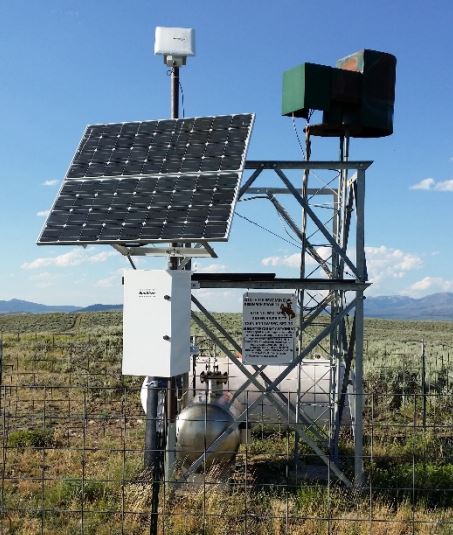
Cloud seeding is a weather modification technique that involves introducing artificial particles, such as silver iodide or other hygroscopic materials, into clouds to stimulate the formation of ice crystals. These particles act as nuclei around which supercooled water droplets freeze, leading to the formation of ice crystals and eventually precipitation. The process exploits the natural cycle of cloud formation, where moisture condenses and forms clouds. By introducing the artificial particles, cloud seeding aims to enhance the chances of rain or snowfall by encouraging the growth of ice crystals, ultimately increasing precipitation in targeted areas.
Weather Modification in Arizona
Weather modification is not anything new. It has been used by farmers for over 150 years to produce precipitation and prevent hail from destroying crops. In Arizona, however, various forms of weather modification have been widely studied to alleviate drought conditions and ensure a plentiful water supply at an extremely low cost of $5-$10 per acre-foot. Weather modification was widely promoted and criticized in Arizona newspapers as early as 1891. Stories in various newspapers describe a process where early rainmakers attempted to augment precipitation by mimicking the atmospheric conditions of a battlefield, which are known to produce thunderstorms. They discovered that by causing explosions in clouds, they could induce the formation of ice crystals that produce rain.
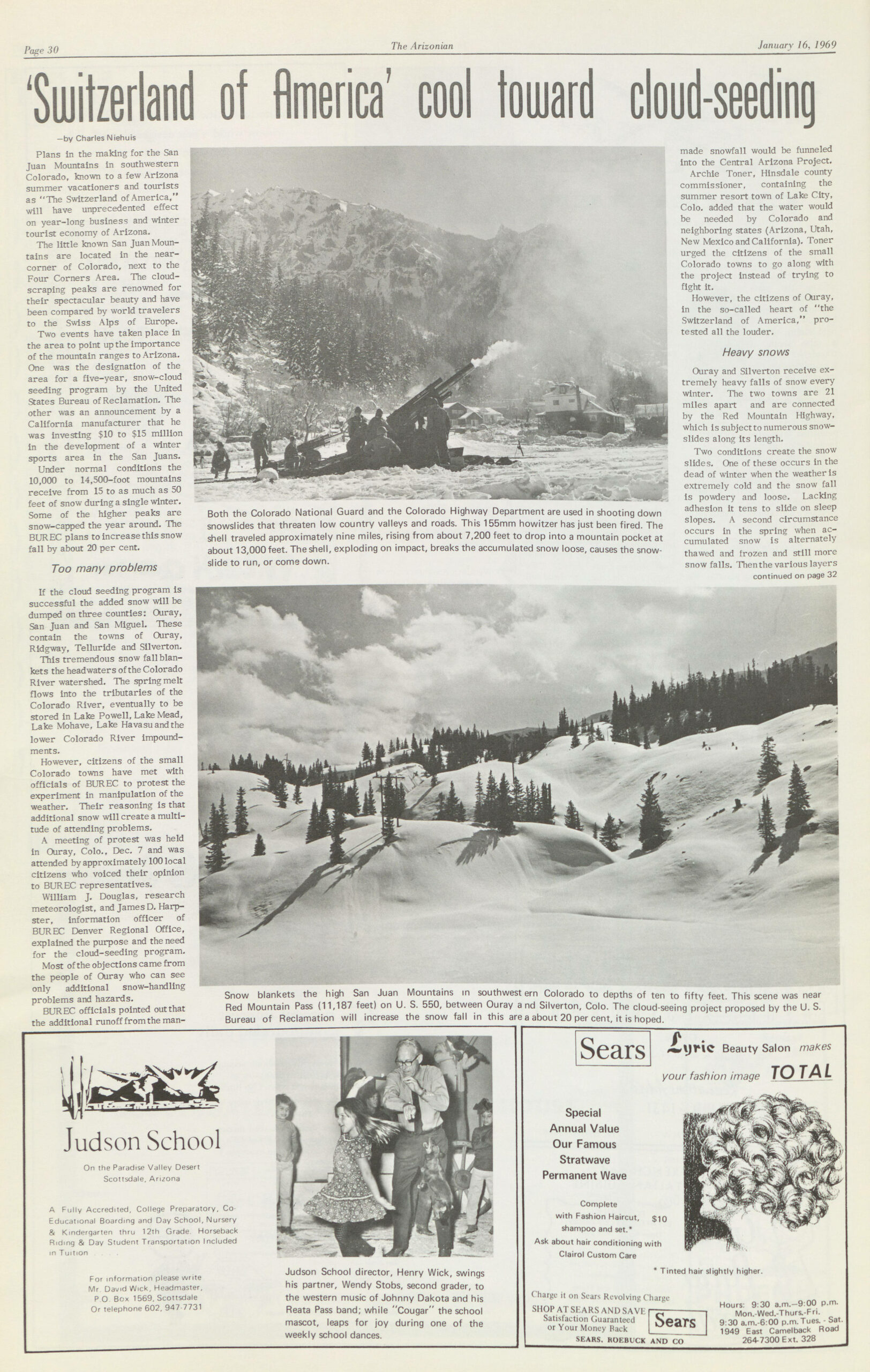

Since 1947, the Salt River Project and the Central Arizona Project have used a combination of air and ground-based cloud seeding generators to augment snowfall over the Salt and Verde watersheds to relieve prolonged drought conditions. Researchers first dropped dry ice from an airplane chartered by the Arizona Republic over Roosevelt Lake to induce rainfall. As research continued through the University of Arizona well into the ’50s, researchers discovered that silver iodide was a more proper cloud seeding agent. The knowledge gained in this era of weather modification research set the stage for future weather modification projects and identified target areas and techniques to produce artificial precipitation in Arizona.
1971 was a significant year for weather modification in Arizona. The Bureau of Reclamation started the first weather modification program in the United States. With the participation of the Salt River Project and the Central Arizona Project, thorough testing was conducted in the Mogollon Rim area of the state. That same year, the city of Safford used ground-based cloud seeding generators in an attempt to augment snowfall over Mount Graham. The city reported seeding the clouds with silver iodide for fourteen days in the months of May, June, and July with very little results. Weather modification programs were also conducted over the Tucson, Prescott, and the Flagstaff Management Areas.
The National Weather Modification Policy Act, passed by the U.S. Congress in 1976, aimed to provide authorization and guidance for weather modification efforts. This act empowered the Secretary of Commerce to develop a comprehensive national policy on weather modification. In 1979, the Secretary released a detailed document titled “National Weather Modification Programs and Policies,” which delved into various aspects of weather modification, including research findings, program implementation strategies, and policies governing such activities. The publication, spanning 147 pages, shed light on the extensive efforts undertaken to understand, manipulate, and potentially influence weather patterns. This document is possibly the most compelling information publicly produced by the federal government relating to various forms of weather manipulation.
In 1991, Arizona participated in the United States Atmospheric Modification Research Program. Arizona, along with five other western states, rigorously studied various techniques of cloud seeding, and each produced a report of their findings. The Arizona Department of Water Resources, in partnership with the Bureau of Reclamation, the Salt River Project, and the Central Arizona Water Conservation District, published the Design of Physical Cloud Seeding Experiments for the Arizona Atmospheric Modification Research Program. The 105-page document details how and where cloud seeding can be conducted in Arizona.
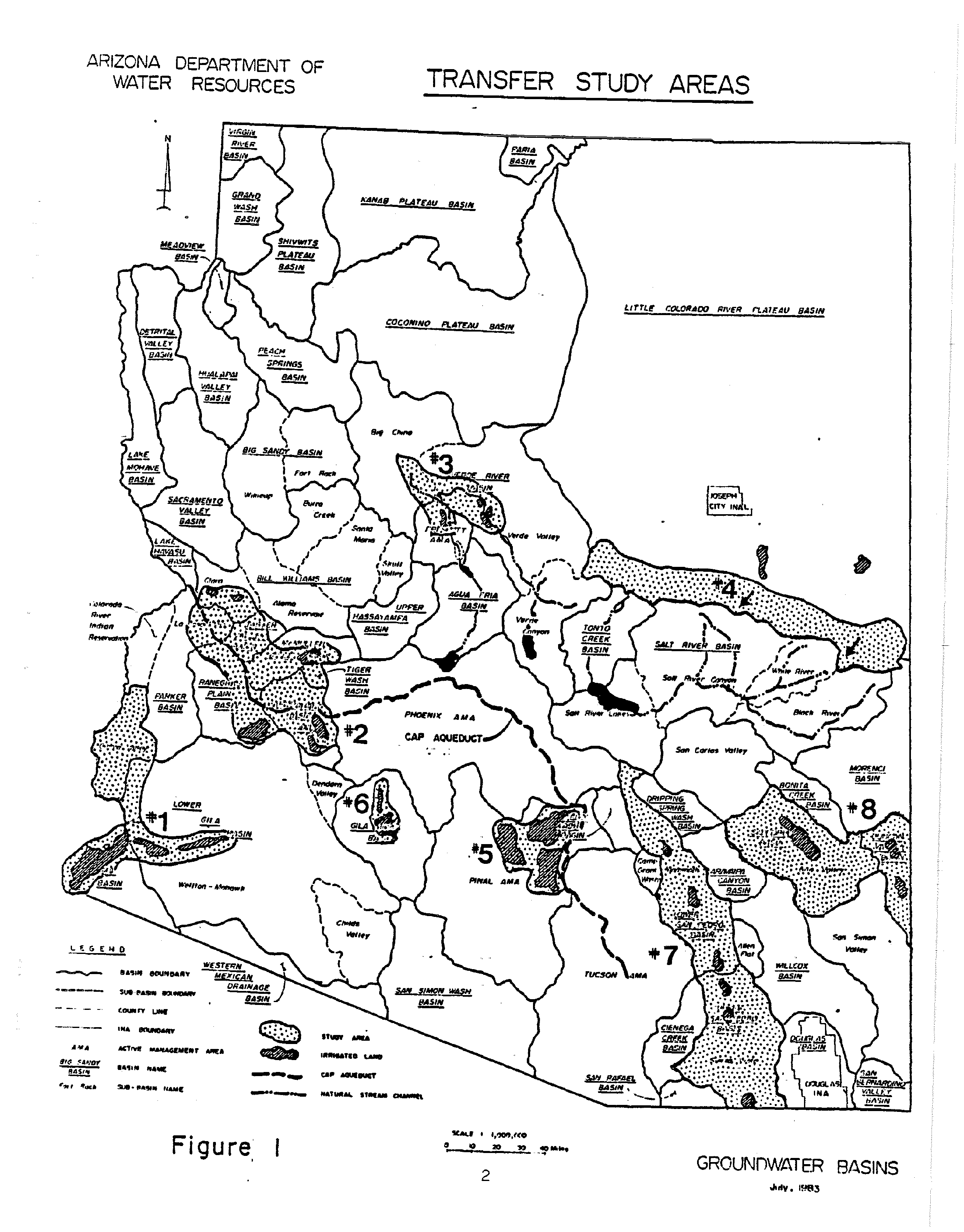
The United States Atmospheric Modification Research Program is a program that aims to study and understand the potential of modifying weather patterns through various techniques and technologies. It involves research and experimentation to investigate the feasibility and effectiveness of artificially inducing or enhancing precipitation, reducing hail damage, dispersing fog, and other weather-related interventions. The program seeks to advance scientific knowledge in the field of weather modification and explore its potential applications for various sectors, including agriculture, water management, and disaster mitigation.
According to the North American Weather Modification Council, cloud seeding is an environmentally-friendly way to fight climate change. The idea is also being echoed by the Nature Conservancy, who have written extensively about weather modification as a possible solution to “man-made climate change.”
Weather Suppression
Weather suppression refers to the deliberate modification of weather patterns to prevent or reduce the occurrence of undesirable weather conditions such as rain, snow, hail, or fog. This practice is typically carried out for specific purposes, such as ensuring safer conditions for outdoor events, mitigating crop damage, or preventing adverse impacts on infrastructure.
The process of weather suppression involves employing a range of techniques and technologies. One commonly used method is cloud seeding, which involves introducing substances such as silver iodide into the clouds. These substances act as ice nuclei, promoting the formation of ice crystals within the cloud. This, in turn, can lead to the development of precipitation in the form of rain or snow. Other techniques include the use of chemicals to dissipate fog or the implementation of aerosols to modify the microphysical properties of clouds, affecting their ability to produce precipitation.

Various institutions and organizations use weather suppression techniques for different purposes. Here are a few examples:
- Airports: Airports often employ weather suppression techniques to mitigate the impact of adverse weather on their operations. Rain suppression, hail suppression, and fog suppression methods are used to ensure safe takeoffs, landings, and overall flight operations.
- Sports Events: Outdoor sporting events such as football games, golf tournaments, and tennis matches may use weather suppression techniques to prevent unwanted rain delays or cancellations. These events rely on clear weather conditions for optimal player performance and spectator experience.
- Agricultural Industry: Farmers and agricultural organizations may utilize weather suppression techniques to protect crops from hail damage or to increase rainfall for better irrigation. Cloud seeding is one method employed to stimulate rain formation and manage water resources for agricultural purposes.
- Ski Resorts: Ski resorts sometimes use cloud seeding techniques to enhance snowfall and improve skiing conditions. By introducing seeding agents into clouds, they aim to increase snow accumulation and extend the skiing season.
- Military and Defense: In some cases, the military and defense sectors have conducted weather modification experiments for tactical purposes. These experiments aim to study the potential impact of altered weather conditions on military operations and strategic maneuvers.
Weather modification techniques for rain, hail, and fog suppression involve various methods and technologies. Here are some commonly used methods:
- Rain Suppression:
- Cloud Seeding: Cloud seeding techniques, such as the dispersion of silver iodide or other appropriate substances into clouds, are sometimes employed to encourage the formation of raindrops. This can potentially help reduce the intensity or duration of rainfall in a specific area.
- Hail Suppression:
- Hail Suppression by Cloud Seeding: Similar to rain suppression, cloud seeding is used to minimize or prevent hail formation. The seeding process encourages the development of smaller ice particles that are less likely to grow into large hailstones.
- Ground-Based Hail Suppression: In some cases, hail cannons and ground based cloud seeding generators are used to disrupt the formation of hail stones.
- Fog Suppression:
- Fog Dispersal Systems: Airports may employ specialized equipment like fog dispersal systems or fog fences. These systems emit high-frequency sound waves or release fine water droplets into the air to disrupt fog particles, promoting dispersion and improving visibility.
This raises some serious questions.
There are some potentially legitimate uses for small-scale weather modification techniques that produce localized effects and can be employed by individuals. One of those techniques includes the use of hail cannons. Hail cannons are devices used in weather modification to attempt to prevent or reduce hail damage to crops, usually in agricultural settings. They work by producing shockwaves that are believed to disrupt the formation of hailstones within thunderstorm clouds. The theory is that the shockwaves or vibrations created by the cannons can prevent the growth of hailstones or cause them to fall apart before reaching the ground.
However, there is a fundamental difference between individuals manipulating the weather on a small scale compared to government programs aimed at manipulating entire weather systems while fundamentally transforming our country under the guise of man-made climate change. While in full control of seemingly natural weather events, governments and special interest groups want us to believe that we the people are responsible for receding polar ice caps, unusual heat waves, and if we don’t do something, one million species of life will go extinct. How can we believe that the same people don’t influence climate change? How does this impact the natural environment on Earth? Who is responsible for the damaged property and lives lost as a result of government-induced climate change? Why don’t our local meteorologists report on man-made weather events? And why has weather modification been labeled a conspiracy theory?
If we’ve learned anything from COVID-19, we should understand that governments will do anything to justify their lust for power. With this type of technology at their fingertips, they can easily manipulate and, therefore, persuade the public into giving up their fundamental property rights. Governments and special interest groups claim that giving the government more power will save the planet when they themselves are manipulating the weather. Doing so, they have placed all of western America on welfare, making We The People reliant on government programs to produce municipal and industrial water supplies with a demand that is far beyond what the Colorado River can naturally provide.
As our beloved country is transforming in front of our eyes under the guise of sustainable development and climate change, we ought to remember that governments have control over Earth’s environmental conditions. We, the people, should reject all initiatives related to climate change or initiatives where climate change is a determining factor until all weather modification programs come to an end. Weather modification should not be conducted without the full consent of the people and with strict guidelines and limitations.