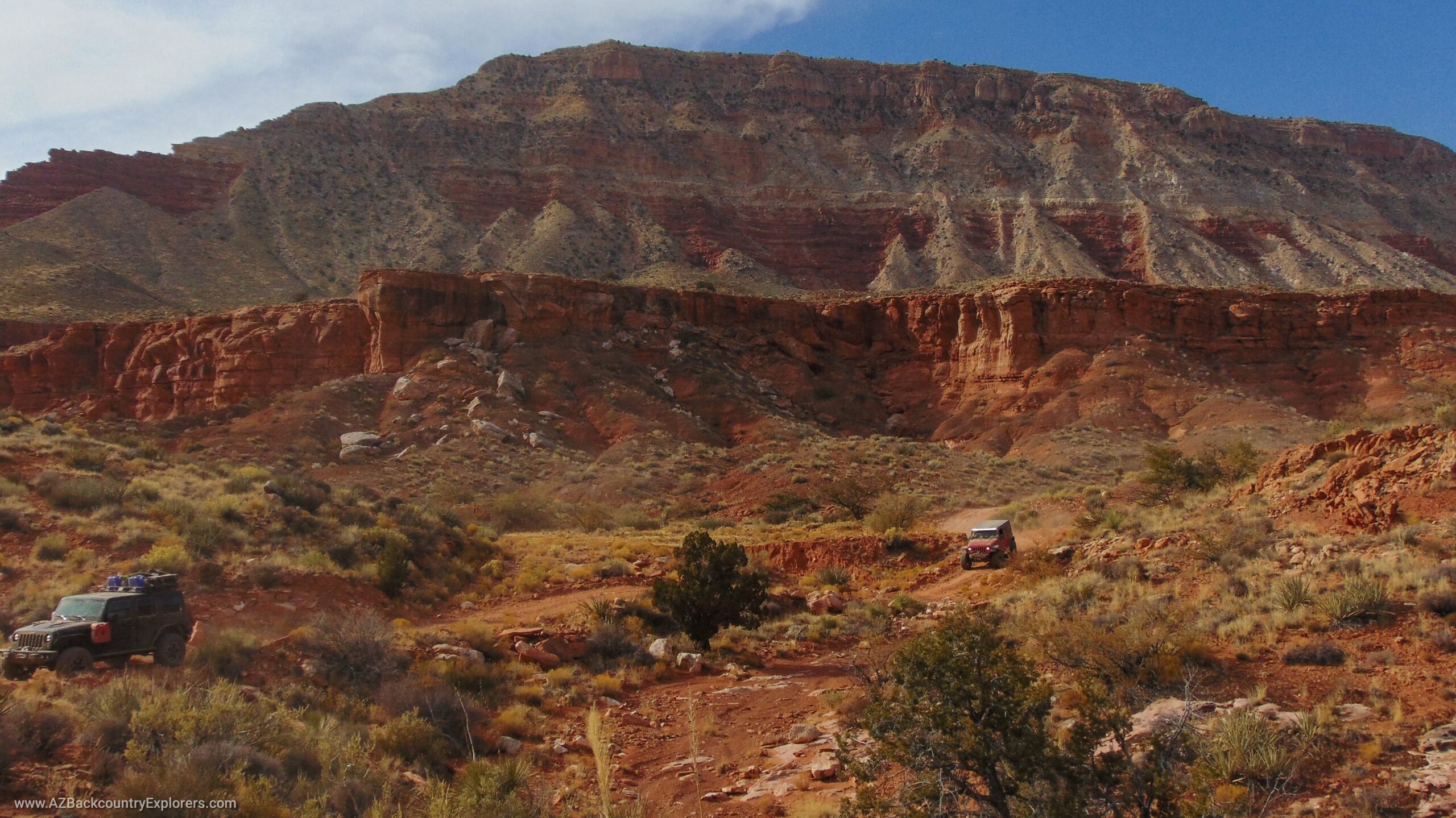

There appears to be much confusion and a lack of knowledge regarding the differences between state and federal land in Arizona. If you plan to recreate in the Arizona backcountry, you must understand these differences to know which laws and regulations are enforced.
Not all lands are the same. There are four primary land designations in Arizona that make up the majority of land within the state’s borders: federal public lands, State Trust lands, sovereign Indian lands, and private lands. Each land designation is administered by state, federal, or tribal authorities and has its own rules and regulations. Although these rules might overlap in certain areas, they are distinct from one another, and each entity has jurisdictional responsibilities and limitations.
Federal Lands in Arizona
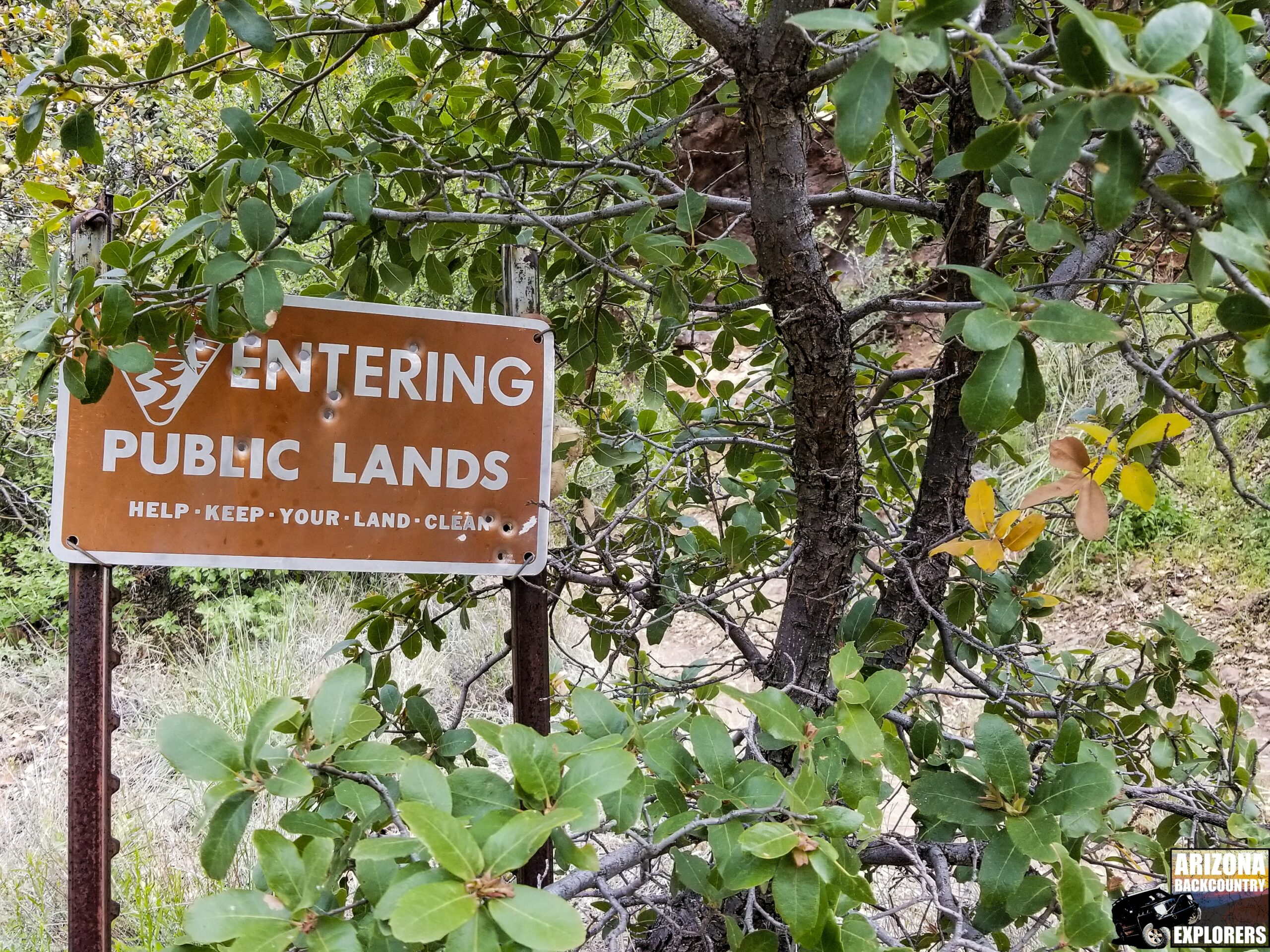
All land in Arizona was, at one point, federal public land. Once settlement began in the early 1800s, as authorized under the Land Ordinance of 1785, land was slowly acquired from the federal public domain and converted to private patented land. Up until the mid-1980s, millions of acres of federal lands were settled upon by Arizona’s early pioneers, as discussed in our history books.
Federal lands are not private property owned by the federal government. They are not property where the federal government holds title or a certificate of ownership and can trespass unwanted visitors. These lands are owned by the general public—the collective people of this country—and should be administered by state and local governments on our behalf.
The federal government’s role over federal public lands is strictly limited. Its only constitutional job is to dispose of the public domain lands into private hands, while state laws and county ordinances govern the use of its resources.
Unfortunately, federal lands are currently administered by the federal government under an abusive, restrictive, and overreaching regulatory structure that ignores the federal government’s limited legislative jurisdiction. The agencies that administer these public lands are federal entities under the executive branch, operating under federal regulations and laws. These agencies include the Bureau of Land Management, US Forest Service, National Park Service, and others.
Indian Lands in Arizona
Indian lands are also administered under federal laws and regulations by tribal governments, but they are not public lands. Tribal governments have their own regulations governing the use of tribal lands. The majority of tribal land is off-limits to non-tribal members. Special permission can be acquired by working with tribal tourism officials and tribal police. Indian land should be considered off-limits unless permission is granted by tribal officials. State laws still apply on federal Indian reservations, but non-tribal members are generally restricted to avoid public access to sacred sites.
All tribal lands are different, and many tribal nations welcome non-members with open arms.
State Lands in Arizona
State lands are lands that were once part of the federal public domain and were granted to the state through the Enabling Act passed by Congress when Arizona became a state. State lands are governed by the Arizona State Land Department to maximize profits for fourteen beneficiaries, including public schools.
To recreate on state lands, you need an Arizona State Trust Land permit. The permit is a small fee of $25 per year and will help you avoid harsh penalties. The truth is, however, the chances of getting caught without a permit are very slim if you stay away from popular areas.
State Trust lands are administered by state agencies and regulated by state law and the Arizona Administrative Code. Private lands in Arizona are also governed by state laws.