
Can You Legally Use Light Bars on Arizona Roads?
Light bars are becoming a popular accessory for off-roaders and night travelers in Arizona, but understanding the laws surrounding their use on public roads is crucial. From illuminating the desert’s darkest corners to making nighttime navigation safer, light bars can provide essential lighting for off-road adventures. However, using these lights on Arizona roadways comes with legal restrictions that drivers must follow to avoid fines or accidents.
Why Are Light Bars So Popular in Arizona?
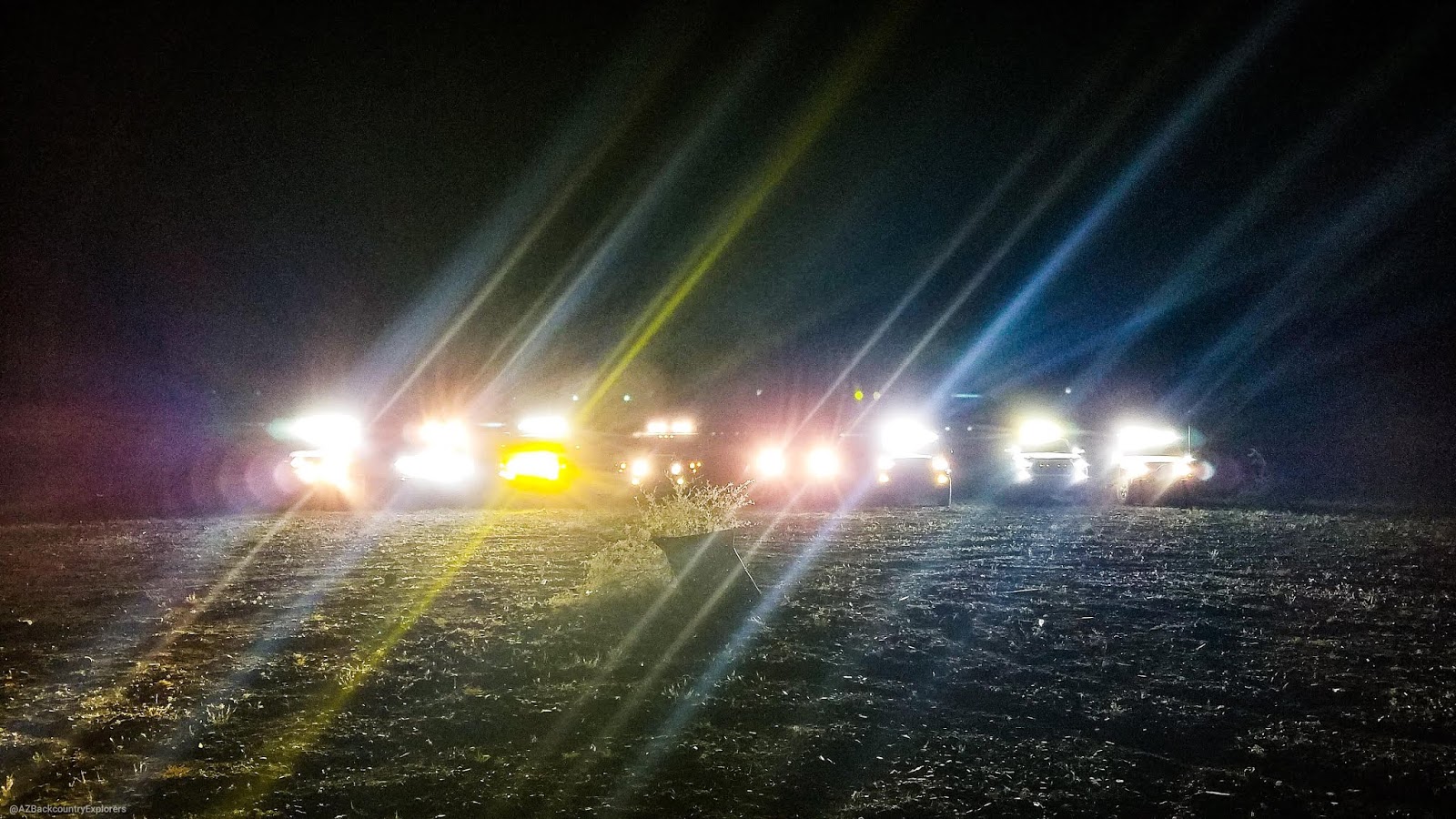
In Arizona, light bars are often used for off-roading and camping trips. With up to 90,000 lumens or more, light bars can light up mountainsides and make sightseeing possible at night. They offer enhanced visibility for drivers in remote areas where standard headlights might fall short. However, while they are a great tool for night activities like trail exploration and camp setup, it’s essential to understand when and where they can be used legally on public roads.
Arizona Light Bar Laws: What You Need to Know
Using light bars or auxiliary lights on Arizona roads is generally allowed, but there are specific rules you must follow to avoid penalties. These laws help ensure that auxiliary lights, such as light bars, fog lamps, and spot lamps, do not cause accidents or disturb other drivers. Here are the key laws that govern light bar usage on Arizona roadways:
- ARS 28-946 – Arizona law allows the use of multiple auxiliary lights on roadways, but if the lights exceed 300 candle watts, the law limits you to four auxiliary lights.
- ARS 28-938 – This law allows the use of no more than two auxiliary passing lights. These must be mounted between 16 and 42 inches above the ground. Additionally, it permits the use of two fog lamps mounted between 12 and 30 inches above the ground, projecting no more than 25 feet ahead. One spot lamp may also be used, provided it does not shine to the left or project more than 100 feet ahead.
- ARS 28-942 – This section of the law covers multiple-beam lighting equipment, commonly referred to as high beam laws. You must dim your high beams when approaching another vehicle head-on at 500 feet and when following another vehicle at 200 feet, unless passing.
- ARS 28-941 – This law mandates that newer vehicles be equipped with high beam lights that reveal persons and vehicles at a distance of 350 feet or more. Low beams must reveal at least 100 feet ahead. Additionally, high beam indicator lamps must be visible to the driver.
- ARS 28-947 – Allows the use of additional lighted lamps or devices, excluding headlamps, spot lamps, and auxiliary lamps, provided they are directed to aim no more than 75 feet in front of the vehicle.
Is It Legal to Use Light Bars in Arizona?
Yes, light bars are legal in Arizona, but you must use them responsibly. Arizona law permits the use of multiple auxiliary lights, but drivers must adhere to specific mounting requirements and restrictions, such as limiting the number of high-powered lights and turning them off when approaching other vehicles. Whether you’re driving on rural dirt roads or highways, you should always be mindful of the impact your lights can have on other drivers.
When Should You Use Your Light Bar on Arizona Roads?
Light bars can be useful in rural Arizona areas where street lighting is minimal. On desert trails, dirt roads, or highways with little traffic, light bars help drivers see better at night, improving safety. However, they should never be used on busy city streets or close to other vehicles. Arizona law mandates that drivers turn off their light bars when approaching oncoming traffic from 500 feet away and when approaching another vehicle from the rear at 200 feet, unless passing.
Best Practices for Using Light Bars on Arizona Roadways
While it’s legal to use light bars in certain circumstances, it’s important to be considerate of other drivers. Here are some best practices:
- Turn off your light bars when approaching oncoming traffic: Dim your light bars 500 feet before encountering another vehicle head-on.
- Turn off your light bars when approaching from behind: Dim your lights 200 feet before passing another vehicle.
- Avoid using light bars within city limits: Many urban areas have stricter laws on auxiliary lights, so always check local ordinances.
- Use light bars only on rural roads: Auxiliary lights are most beneficial on roads with low traffic and little to no street lighting.
Why Should You Follow Arizona’s Light Bar Laws?
Not following Arizona’s auxiliary light laws can lead to fines and unsafe driving conditions. Light bars, while useful, can be dangerously bright and cause glare for other drivers. By respecting Arizona’s road laws and exercising caution, you help ensure the safety of everyone on the road, while also avoiding legal issues.
Conclusion: Using Light Bars Responsibly in Arizona
While light bars and other auxiliary lights are legal in Arizona, they should be used with caution. Always remember to turn off your light bars when approaching other vehicles, especially on busy roads or highways. By following Arizona’s laws and exercising common courtesy, you’ll enjoy the benefits of additional lighting while keeping yourself and others safe on the road. Stay informed, respect local ordinances, and drive responsibly when using auxiliary lights in Arizona.