


The federal government’s extensive control over public lands has led to increasing jurisdictional confusion and a failure to adequately manage many of the most pressing issues affecting these lands. The constitutional balance between state sovereignty and federal land management has been eroded, resulting in adverse consequences for the land, the public, and local governance structures.
As the Bureau of Land Management (BLM) and the U.S. Forest Service (USFS) continue to assert expansive regulatory authority, local and state governments have been systematically subverted. This has created a climate of dependency, wherein the public and even local policymakers have been conditioned to look exclusively to federal agencies to resolve complex issues—such as illegal dumping, long-term squatting, abandoned vehicles, unlawful camping, trespass, and deteriorating road infrastructure. The reality, however, is that these agencies lack both the Constitutional authority to enforce many relevant state laws. Federal land management officers, while often cross-deputized, selectively enforce only federal regulations and often refrain from intervening in matters squarely within state jurisdiction.
The resulting enforcement gap has allowed a proliferation of unlawful activity in many accessible areas, particularly those located near urban centers. High-use zones adjacent to metropolitan areas have experienced elevated instances of squatting, illegal dumping, drug activity, and resource degradation. These isolated but highly visible impacts are then broadly cited in federal travel management planning as justifications for road closures, area restrictions, and the reduction of motorized access. Such reasoning is legally and factually unsound.
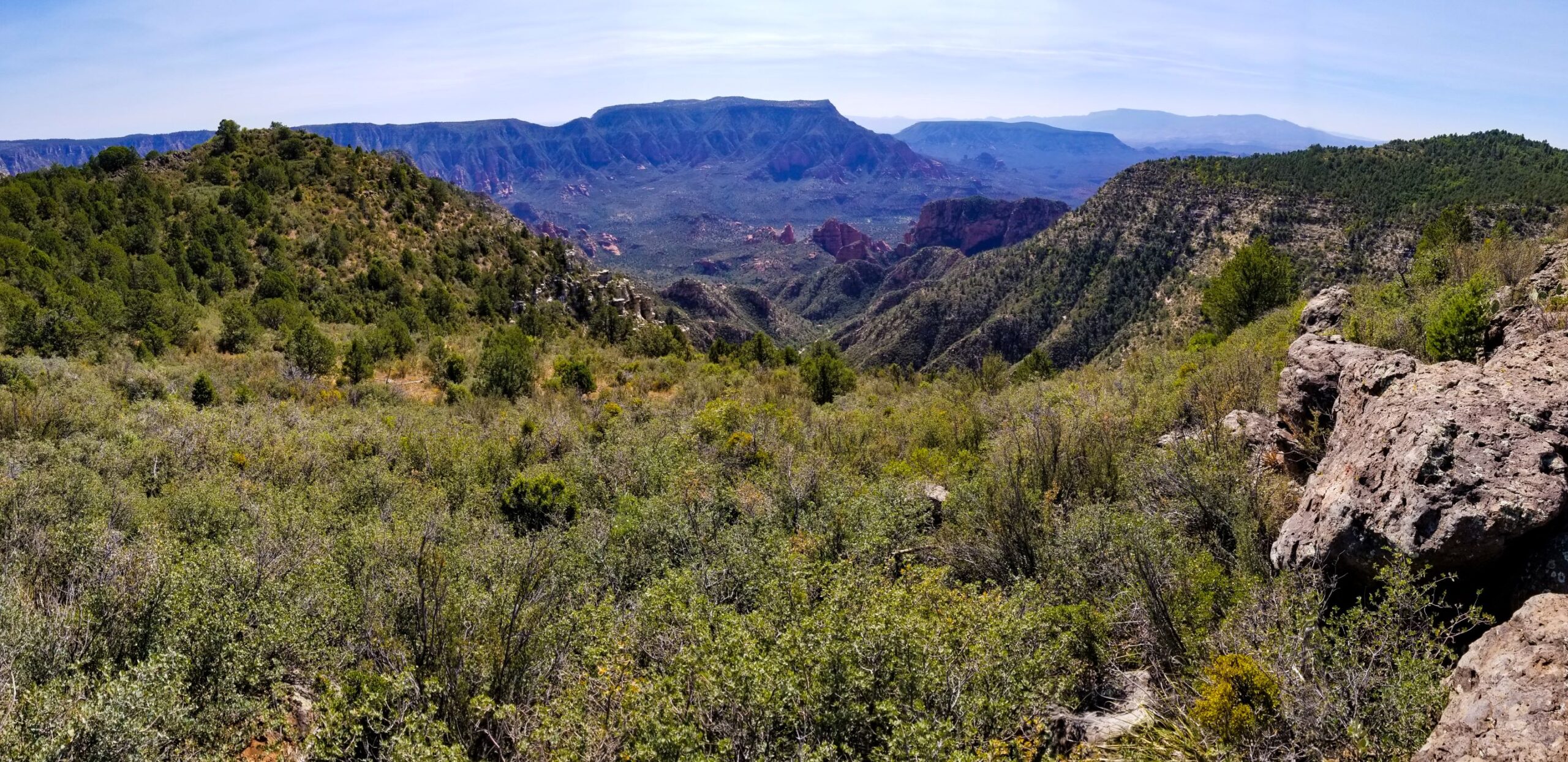
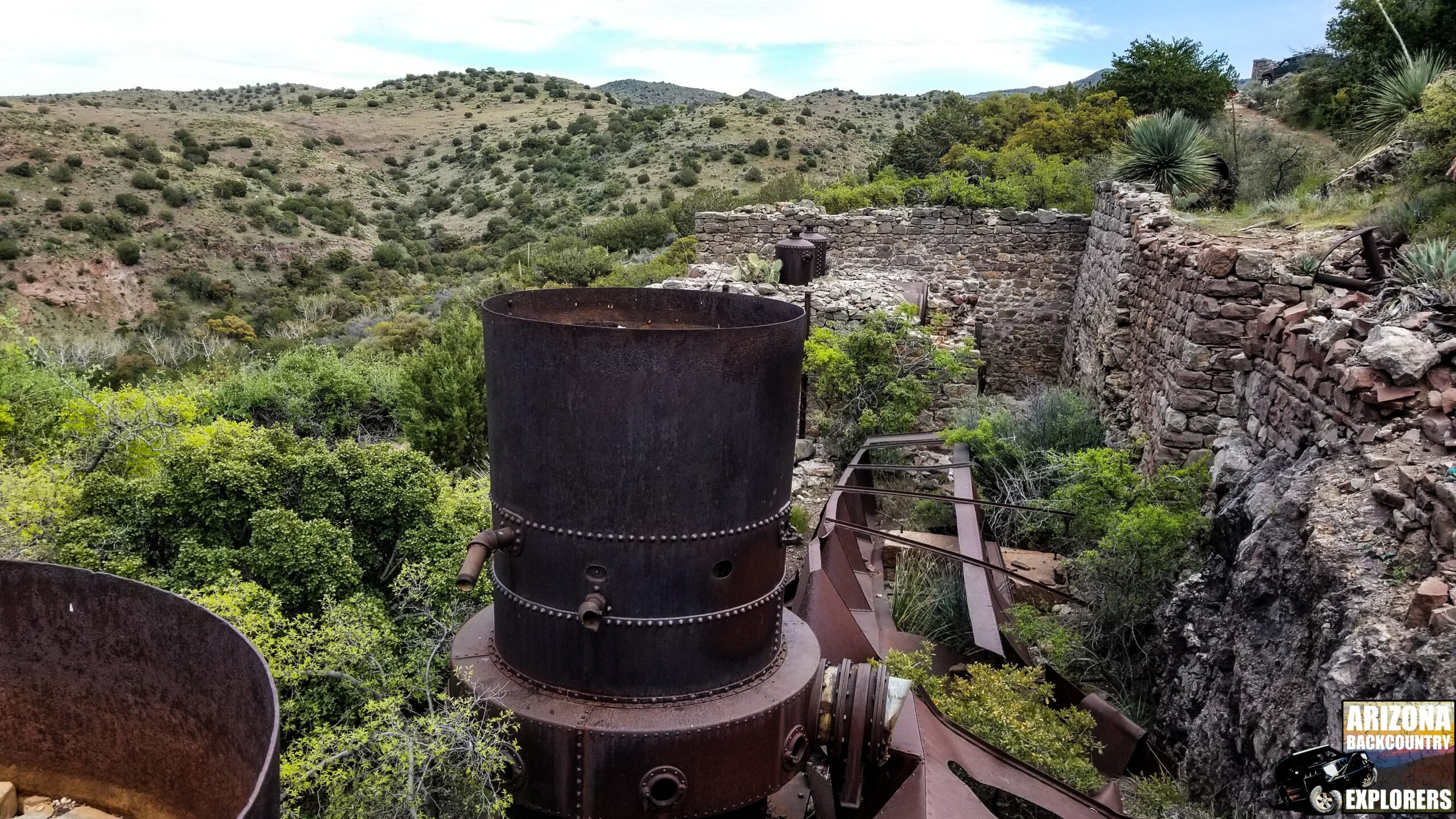
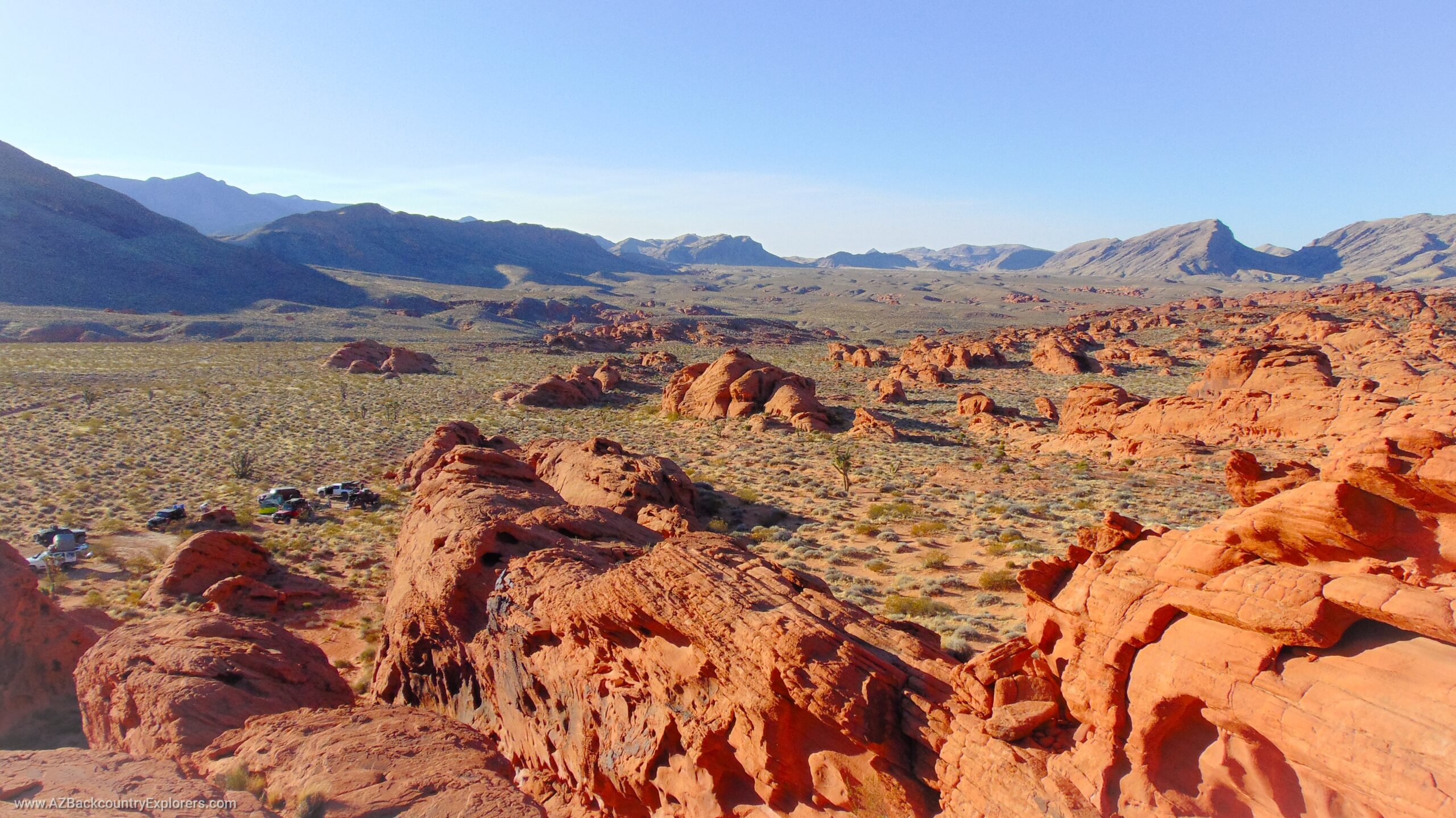
The vast majority of the motorized routes proposed for closure are not located near cities, recreation hubs, or high-traffic corridors. They are remote, rarely traveled, and often serve specific purposes such as accessing historical sites, mining claims, grazing allotments, and water infrastructure. These low-use roads exhibit none of the issues used to justify closures, yet they are swept into broad travel limitation strategies aimed at addressing problems arising exclusively from population pressure on peri-urban zones.
Moreover, by removing access to more remote areas, federal road closures may unintentionally concentrate use into the very areas most burdened by human impact. Instead of relieving pressure, these closures exacerbate it. The failure to manage illegal activity stems not from the existence of roads, but from the lack of coherent and consistent law enforcement grounded in state authority. Closing roads does not stop criminal activity—it merely displaces it and further limits the lawful use and stewardship of the land by responsible citizens.
To remedy this, it is imperative that state laws be fully applicable and enforceable on all public lands. The exclusion of state enforcement in favor of inconsistent federal discretion leaves both the land and its lawful users unprotected. States must be empowered to exercise their police powers uniformly across all jurisdictions, regardless of federal ownership status. Without this correction, the negative externalities of public land use will continue to go unchecked, and the public’s access to these lands will be unjustifiably and unlawfully diminished.